
BLOG
BLOG
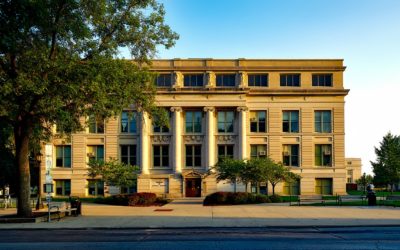
Older School Buildings May Be Your Community’s Best Asset
As populations shift and time passes, many communities have school buildings that are no longer being used, or for which use as a school is no longer the highest and best. Communities, like Rockingham, are then left with a huge asset—in terms of physical space and...

If you don’t have a lawyer on your CED team – you should
Successful community economic development projects don’t happen by accident. Implementing a dynamic community economic development plan requires a dynamic team. You’ll want a team of qualified professionals and community stakeholders, including local officials,...

Local counsel’s role in a local government financing
Every local government financing can benefit from the active participation of the city, county or town attorney. Sometimes the attorneys, however, don’t know how best to carry out their role. Here are our notes about how you, as a local government attorney, can...

Four ways to finance streets and sidewalks
There never seems to be enough money to go around for construction and maintenance of streets and sidewalks. Here are some ways a local government can borrow money to finance these projects -- General obligation bonds For many, many years this was the only viable...

Using Non-Profits to Spark Arts-Driven Community Economic Development
Arts and cultural community organizations are popping up in hometowns all across North Carolina. These organizations can stimulate economic development and community involvement while providing arts and cultural experiences for residents of all ages. Arts centers are...

Happy New Year! Annual reminders for debt planning and management
Happy New Year! As 2017 begins, we offer this list of items to keep in mind as you plan for new capital projects and manage your existing projects. Here are a few things to think about at least once a year: Local legislation. The General Assembly convenes January 11....

Re-post – When Can You Use Borrowed Money to Pay for In-House Personnel Costs?
Under both North Carolina law and the relevant federal tax rules, you can generally use borrowed money only to pay for “capital costs” of a project. What’s a capital cost? The primary rule I quote to clients, which comes out of the tax regulations, is that a cost is a...
How can we provide capital funding for our local nonprofits?
Many North Carolina local governments wrestle with how to fund those valued local nonprofits that are effectively doing good work in the community. There are a variety of approaches for annually funding operating expenses, but occasionally the question arises of how...

The LGC calendar for 2017
We now have the official calendar for meetings of the Local Government Commission for 2017. We thought a table might be handy. Along with the meeting dates, this table shows the dates 28 days prior to the meeting, because generally the Commission staff wants a fairly...

Wilson’s Greenlight in the Legal Spotlight – Second on our series on municipal broadband
In Part One of this series, we described factors, benefits and issues that have led to the growing debate over the extent to which a municipality should be able to become an Internet Service Provider (ISP). Wilson, North Carolina, has been a flashpoint in the conflict...